Opening the door to every child

How storytelling and poetry create a way in for children with Special Educational Needs and Disabilities (SEND)

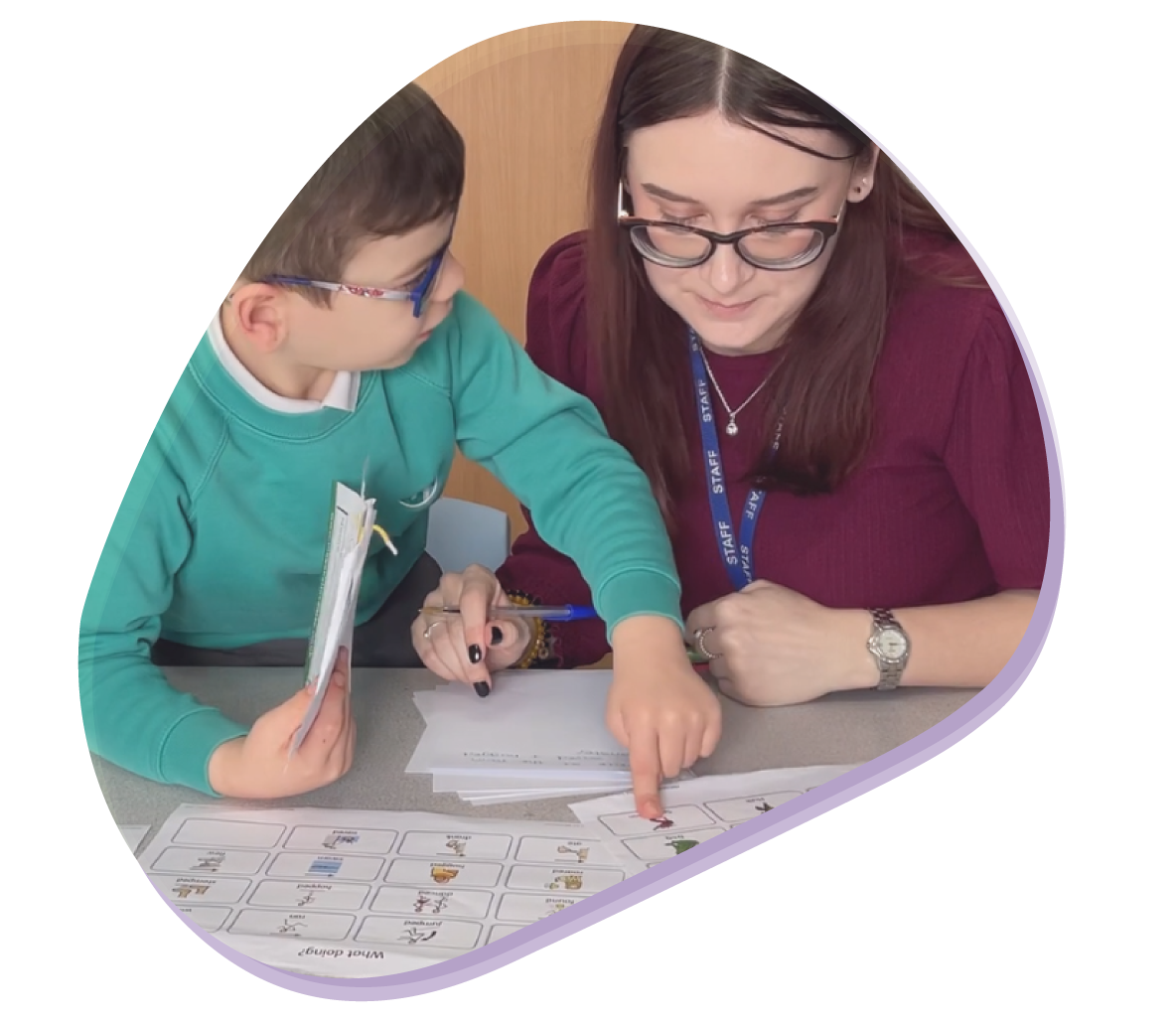
For everyone who works with young children with SEND, poetry and storytelling can open doors, helping those who once struggled to join in find their place in the classroom community.

Find out how our poetry and storytelling programmes can support children with SEND in the Early Years

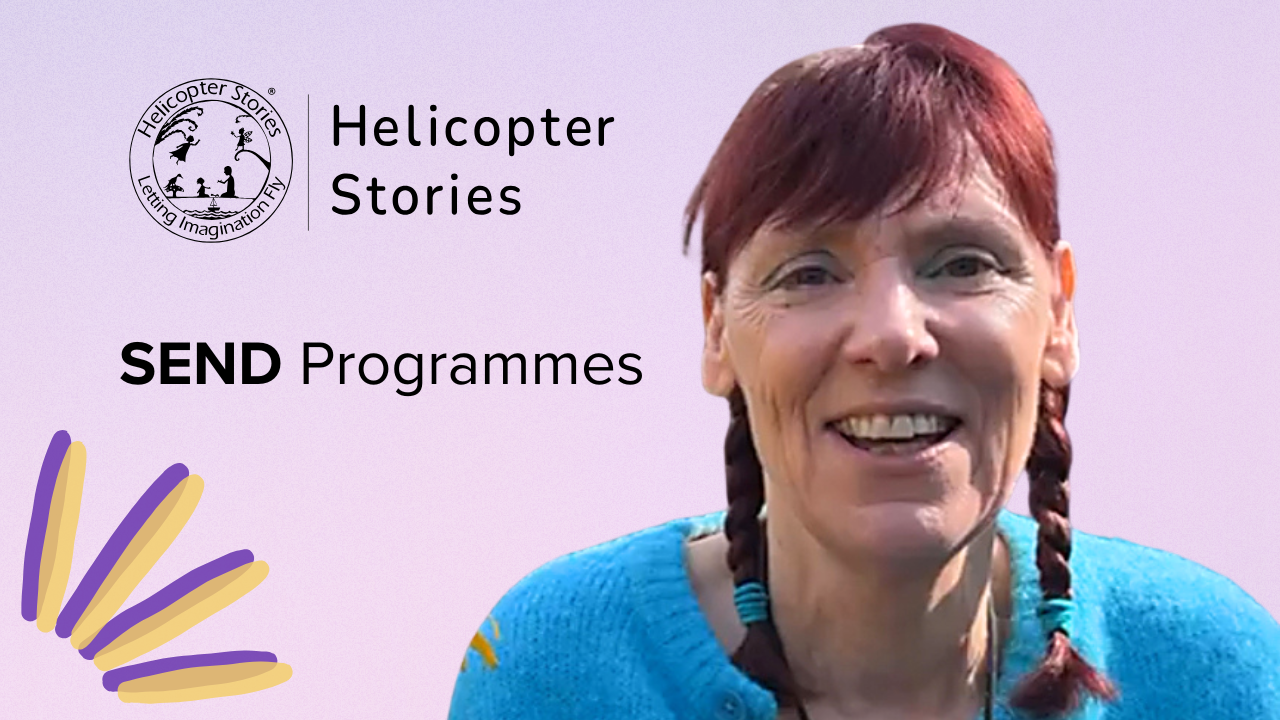
Watch Trisha Lee share our research

Helicopter Stories

Why it matters

More children than ever are struggling to communicate:

In the Early Years, many children arrive with limited language, and increasing numbers have SEND. Without the right opportunities, too many risk being left on the edges of learning.

Every child deserves to be heard, whether in words, signs, gestures, or movement. Finding a way to express themselves gives children agency, belonging, and the chance to show us who they are.

That's where our programmes come in...

Our inclusive storytelling programmes offer a practical way in for children with a wide range of additional needs.

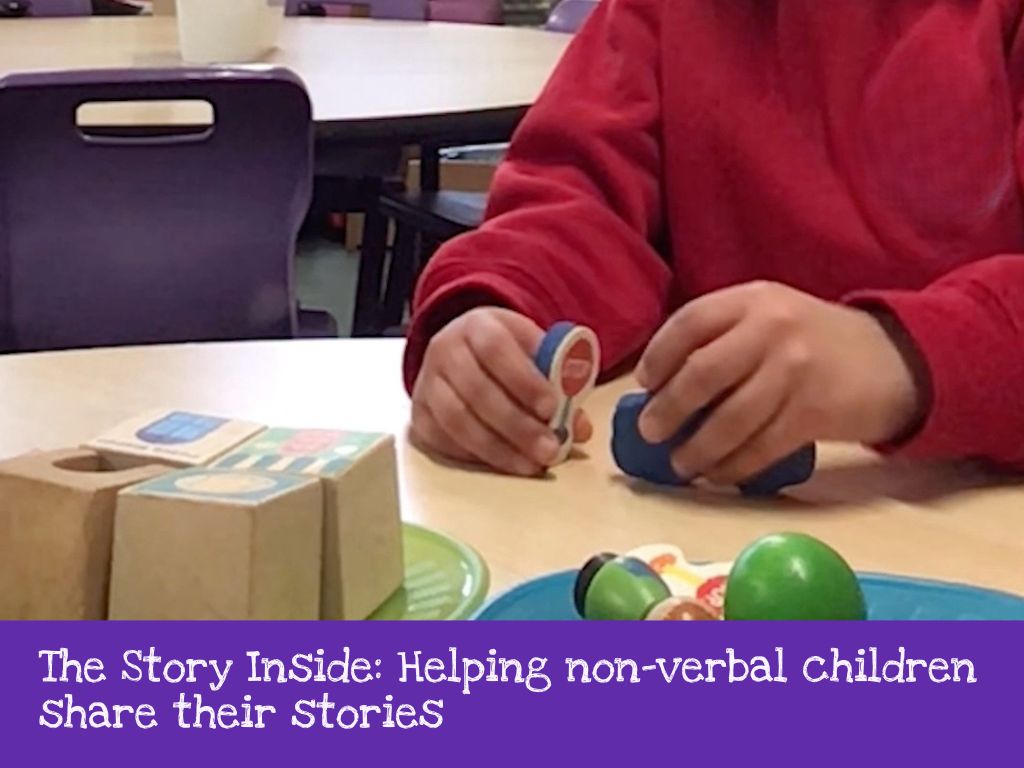
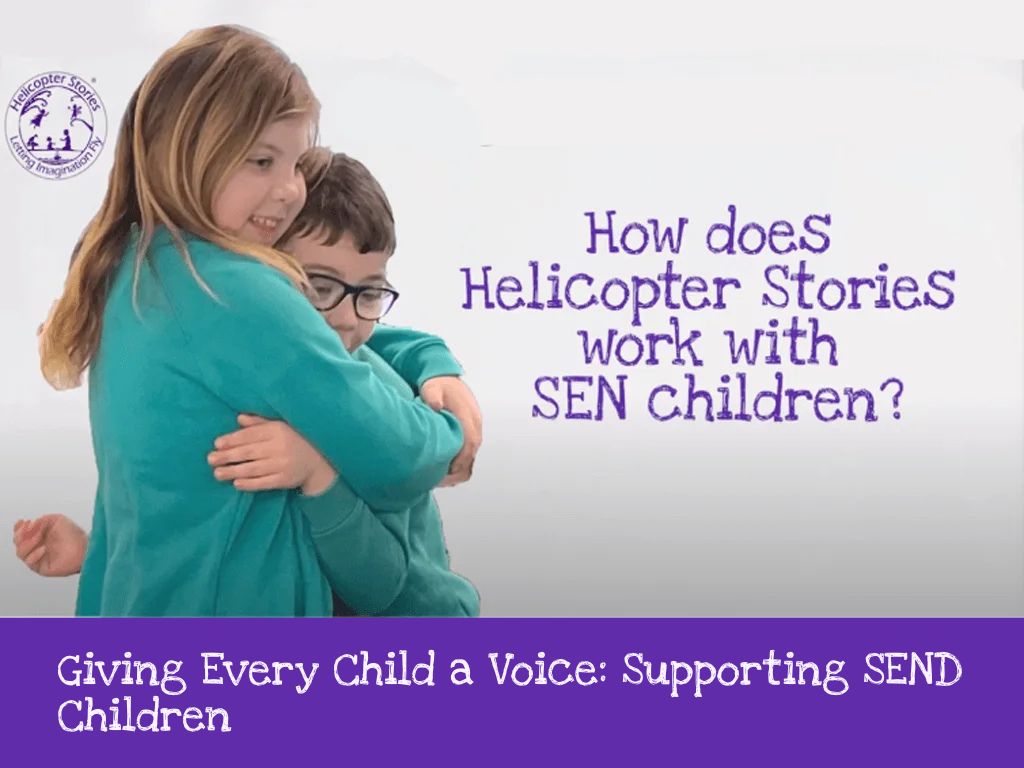
A child-led approach where children dictate their stories and act them out with their friends. For children with SEND, it offers a safe structure to share ideas, in words, signs, or symbols, and to be part of the group acting out their stories.

I have seen the child who was somehow labelled as ‘the one that wouldn’t join in’ become the child who eagerly awaited his turn to tell his story.

Nadine Jones, Special Needs Practitioner

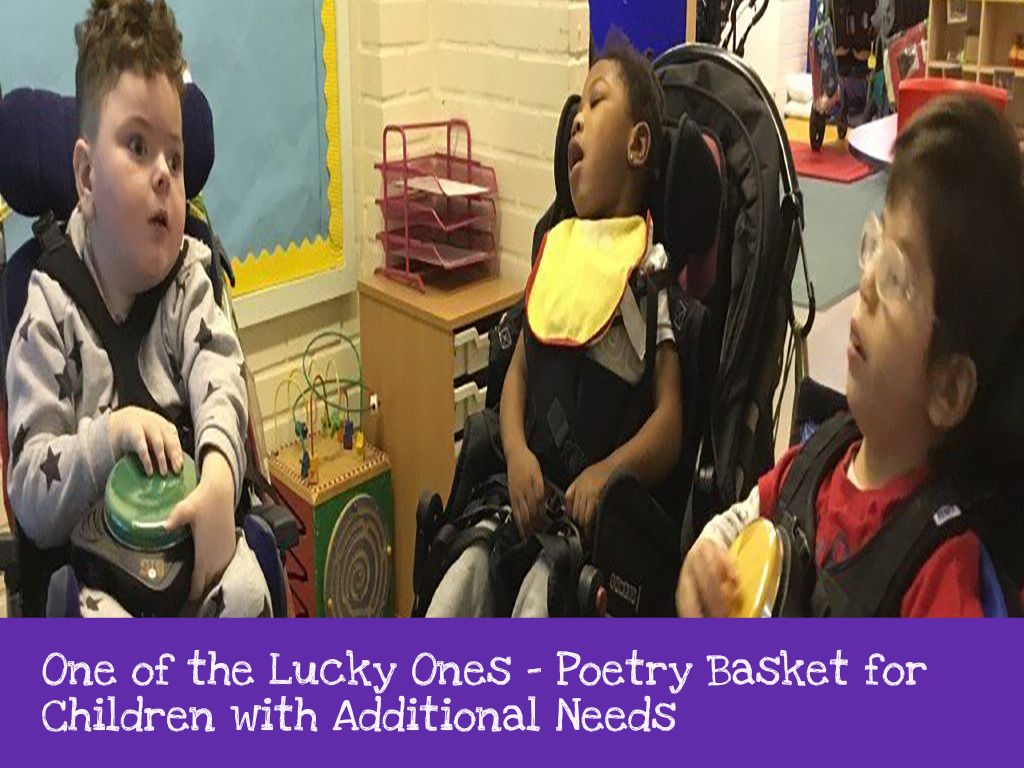
A library of memorable poems taught through rhythm, movement and repetition, ideal for building vocabulary, memory, and emotional expression. Children with SEND often find rhythm and repetition comforting, giving them a way to join in at their own pace.

Poetry Basket is a way in for children with little or no language. Its fantastic to see them reciting poetry independently. 

Sue Miller, Early Years Practitioner

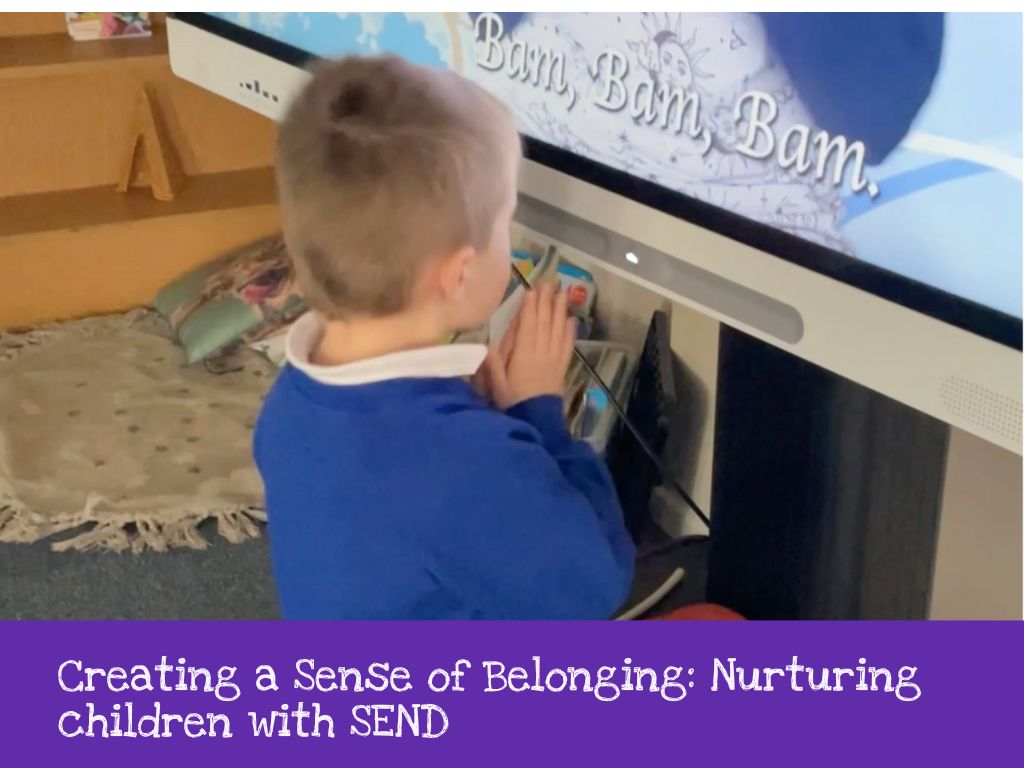
Immersive storytelling adventures with movement and music, giving children the language they need to tell their own imaginative stories. For children with SEND, the movement and shared play provide multiple entry points, even for those with limited speech.

The key benefit of Story Steps is in language development. The repetition really helped the children to fully understand the language.

Jemma, Reception Teacher

Voices from the classroom

Again and again, practitioners share moments of surprise, emotional connection, and unexpected breakthroughs.

Scribing children’s stories, has enabled teachers to learn more about their classes, what excites them and what they have learned from each other. They have found out that their children are listening.

Natalee Doran, Special Needs Practitioner

One teacher, from a school in a deprived area in Buckinghamshire, said it was the only thing they did across the week that was fully inclusive. There was nothing else that was timetabled in, that everybody could access at the same level at the same time.

Jo Hobbs, Early Years Advisor Buckinghamshire

Tommy started joining in with the actions… and throughout the day he repeats words from his favourite poems to the adults… We have really created a sense of community for him, whereas before it felt as if he was out on his own.

Karoline Gray-Clarke, Resource Base Teacher
Real stories from the classroom

Explore blogs and case studies showing how story and poetry give every child a way in.

Explore a year of research, stories, and practical ideas for supporting children with SEND through storytelling and poetry.